REM sleep is the stage most closely linked with dreaming, emotional processing and some kinds of learning. You cannot feel it directly, and no single symptom proves you are short on it. But there are patterns that often show up when REM is being squeezed night after night, and most of them trace back to a few common causes: too little time in bed, an early alarm, alcohol, some medications and broken sleep.
This guide walks through the signs that may point to too little REM sleep, why they happen, and what you can change. If you want the basics of how REM differs from the deepest stage of sleep, our sister site has a full explainer on deep sleep vs REM sleep. This article is general education, not medical advice. If you have ongoing sleep problems, talk to a doctor or a board-certified sleep specialist.

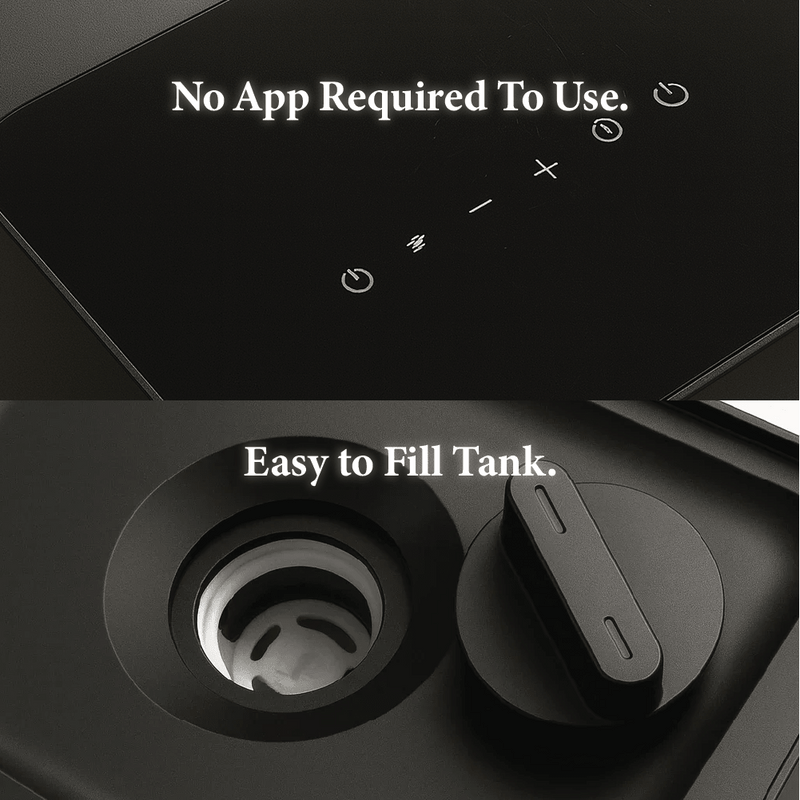
Good Sleep cooling and heating mattress topper
A water-based mattress topper that cools to 62°F and heats to 110°F and fits on top of the mattress you already have. Simple touch-panel control with no app, Wi-Fi or subscription. Dual zone on King.
Shop nowWhy REM sleep gets cut short
Sleep runs in cycles of roughly 90 minutes. Early in the night, cycles are weighted toward deep sleep. As the night goes on, REM periods get longer, so a large share of your REM sleep happens in the last third of the night. See sleep cycles explained for the full pattern.
That timing is the main reason REM is easy to lose. If you go to bed late but still get up at the same time, or an alarm cuts your night short, the cycles you skip are the ones richest in REM. Anything that breaks up the second half of the night, such as alcohol wearing off, a hot bedroom or a partner’s snoring, can have the same effect.
Signs you may not be getting enough REM sleep
None of these signs is specific to REM. They overlap with general sleep loss, stress and many health conditions. Taken together, and especially if they follow short or broken nights, they are a reasonable prompt to look at your sleep.
You rarely remember dreams, then suddenly have very vivid ones
Dream recall varies a lot between people, so not remembering dreams is not a problem on its own. A more telling pattern is a stretch of short nights or evening drinking followed by unusually vivid, intense dreams when you finally sleep in or stop drinking. That burst is often a sign of REM rebound, the brain catching up on REM it missed.
Your mood feels more fragile than usual
REM sleep is thought to play a role in processing emotional experiences. After nights of cut-short sleep, many people notice they are more irritable, quicker to feel overwhelmed or less able to shrug off small setbacks. Our guide to REM sleep and mood covers what research suggests about this link.
New skills and information do not stick
Sleep supports memory, and REM appears to be involved in some types of learning and in connecting new information with what you already know. If you are studying or learning a new skill and progress stalls during weeks of short sleep, lost REM may be part of the picture. See REM sleep and memory.
You wake up groggy even after “enough” hours
If your time in bed looks fine but the second half of the night is broken by waking, sweating or tossing and turning, you can lose a lot of REM without noticing. Many people describe this as sleeping a full night but waking unrefreshed.
You often wake up early and cannot get back to sleep
Early-morning waking cuts straight into the REM-rich end of the night. It is common with stress, low mood, a warm bedroom and hormonal changes such as perimenopause.
You feel sleepy during the day
Daytime sleepiness is a sign of not enough sleep in general rather than REM alone. Because short nights cut REM first, though, persistent sleepiness often goes hand in hand with lost REM.
What a sleep tracker can and cannot tell you
Consumer wearables estimate sleep stages from movement and heart signals. They are useful for spotting trends, such as shorter REM estimates on nights after drinking, but they are much less accurate than a clinical sleep study for a single night. A low REM number on one night is not a diagnosis. How you feel over several weeks, and whether your habits are giving you enough time asleep, matter more. Our guide to sleep trackers and REM sleep explains how to read the numbers.
Common causes of low REM sleep
- Short nights. Late bedtimes with a fixed alarm trim the REM-rich last cycles first.
- Alcohol. Drinking in the evening tends to suppress REM early in the night and fragment sleep later. See how alcohol affects REM sleep.
- Some medications. Certain antidepressants and other drugs can reduce REM. Do not stop or change a prescription without talking to your doctor.
- A hot bedroom. The body is less able to regulate temperature during REM, so heat can trigger waking in the early morning. See how sleep temperature affects REM sleep.
- Stress and irregular schedules. Shifting bed and wake times and a racing mind at night both tend to break up sleep.
- Untreated sleep disorders. Sleep apnea in particular can fragment REM, because breathing problems are often worse during this stage.
How to get more REM sleep back
Protect the end of the night
Give yourself enough time in bed, typically seven to nine hours for adults, and keep your wake-up time steady through the week. That alone usually does more for REM than any product or supplement.
Move alcohol earlier, or skip it
If you drink, finishing several hours before bed gives your body more time to clear it before sleep. On nights when sleep matters most, skipping the evening drink is the simplest win.
Keep the bedroom cool, dark and quiet
A cool room, breathable bedding and blackout curtains help keep the early-morning hours from turning into light, broken sleep. One water-based topper that cools to 62°F with no app is listed at trygoodsleep.com.
Wind down on purpose
A predictable, low-light routine in the last hour before bed helps you fall asleep on time and makes it easier to stay asleep. Our main guide on how to get more REM sleep has a full plan.
When to talk to a doctor
See a doctor if you snore loudly or someone notices pauses in your breathing, if you are very sleepy during the day despite enough time in bed, or if poor sleep has lasted more than a few weeks. Talk to a doctor promptly if you act out dreams, for example by shouting, punching or kicking in your sleep, because that can be a sign of REM sleep behavior disorder, which needs medical assessment.
Frequently asked questions
How do I know if I am getting enough REM sleep?
There is no simple home test. The best everyday guide is whether you regularly get enough total sleep and wake feeling reasonably rested. Trackers can show trends but are not precise for individual nights.
How much REM sleep do adults need?
In healthy adults, REM typically makes up roughly a fifth to a quarter of total sleep, often around one and a half to two hours over a full night. Needs vary, and the best way to get enough is to get enough sleep overall.
Does not remembering dreams mean I have no REM sleep?
No. Most people forget most of their dreams. Dream recall depends on things like whether you wake during or just after REM, not just how much REM you get.
Can you catch up on lost REM sleep?
Partly. After sleep loss, the brain tends to prioritise the stages it missed, which is why a recovery night can bring a rebound of REM and vivid dreams. Regular, sufficient sleep works much better than occasional catch-up.
Does alcohol really reduce REM sleep?
Yes. Alcohol in the evening tends to suppress REM in the first half of the night and fragment sleep later. The effect generally grows with the amount you drink and how close to bedtime you drink it.
Should I take a supplement to increase REM sleep?
No supplement has strong evidence for raising REM in healthy people. Focus on sleep time, timing, alcohol and the bedroom first, and talk to a doctor before starting supplements, especially if you take medication.
Affiliate Disclosure: This article may contain affiliate links. We may earn a commission on purchases made through our links at no extra cost to you. Affiliate relationships do not influence our editorial assessments. Read our full disclosure policy.
Get More REM Sleep Editorial Team
Independent researchers covering the science of sleep quality. All content is reviewed against peer-reviewed research and updated quarterly.