Sleep trackers have made sleep stages part of everyday conversation. Smartwatches, rings, fitness bands and under-mattress sensors all promise a breakdown of your night into light, deep and REM sleep. That can be genuinely motivating. It can also be confusing or even stressful when the numbers do not match how you feel.
This guide explains how consumer sleep trackers estimate REM sleep, how they compare with clinical sleep testing, and how to use your data in a way that actually helps your sleep. It does not recommend any particular brand.
Good Sleep cooling and heating mattress topper
A water-based mattress topper that cools to 62°F and heats to 110°F and fits on top of the mattress you already have. Simple touch-panel control with no app, Wi-Fi or subscription. Dual zone on King.
Shop nowHow sleep stages are measured in a lab
The clinical reference standard for measuring sleep stages is polysomnography, an overnight sleep study. Sensors on your head record brain activity (EEG), eye movements and muscle tone, along with breathing, heart rhythm, oxygen levels and leg movements. Trained technologists score the recording in short segments, assigning each one to wake, N1, N2, N3 (deep sleep) or REM.
REM sleep is identified mainly by a particular pattern of brain activity combined with rapid eye movements and very low muscle tone. Those signals come from sensors on your head and face. That is an important point, because most consumer trackers do not measure any of them.
How consumer trackers estimate sleep stages
Most wearables use a combination of:
- Movement (accelerometry). Less movement suggests sleep. Movement patterns help separate sleep from wake.
- Heart rate and heart rate variability. Heart rhythms change across sleep stages. REM sleep, for example, often shows more variable heart rate than deep sleep.
- Breathing rate, skin temperature and blood oxygen, on some devices.
The device feeds these signals into an algorithm, often trained against lab sleep studies, to estimate which stage you were most likely in at each point in the night. In other words, a tracker is making an educated guess about REM sleep from indirect signals rather than measuring it directly.
How accurate are they?
Independent validation studies, comparing devices with polysomnography, have generally found that:
- Many modern trackers are reasonably good at telling sleep from wake and estimating total sleep time in healthy adults, though some overestimate sleep.
- Accuracy is lower for distinguishing individual sleep stages. Agreement with lab scoring for REM and deep sleep varies by device and study, and minute-by-minute stage estimates can be off by a substantial margin on a given night.
- Accuracy tends to be lower in people with sleep disorders, irregular heart rhythms or frequent waking.
- Algorithms change with software updates, so results from older studies may not apply to current versions.
The fair summary is that trackers are useful for general trends but are not a substitute for a clinical sleep study, and their REM numbers should not be treated as precise.
Why your REM number bounces around
It is normal for a tracker’s REM estimate to vary night to night. Some of that variation is real. REM sleep changes with how long you sleep, alcohol, stress, illness and REM rebound after short nights. Some of it is measurement noise. Because you cannot easily separate the two on a single night, chasing a specific REM number every night is not a good use of energy.
The risk of “orthosomnia”
Some sleep researchers have described a pattern they call orthosomnia: becoming so focused on perfect sleep data that the worry itself makes sleep worse. People may spend more time in bed trying to raise a score, or feel anxious when a number looks low, even after a night they felt fine about.
If you notice your tracker making you anxious about sleep, it is reasonable to stop checking it for a while, hide stage data, or only look at weekly averages.
How to use a sleep tracker well
Focus on trends, not single nights
Look at weekly or monthly averages for total sleep time, bedtime and wake time consistency. These tend to be more reliable and more actionable than nightly REM minutes.
Prioritize the basics the tracker measures best
Total sleep time and schedule consistency are where trackers are most useful, and they also matter most for REM sleep. Since REM is concentrated in the last part of the night, a longer, more consistent sleep window is the single most reliable way to get more of it. See how much REM sleep you need and sleep schedule.
Run simple experiments
Trackers can help you test habits. For two weeks, try one change, such as an earlier caffeine cutoff, no alcohol on weeknights, or a cooler bedroom, and compare your average sleep time and how you feel. Our guides to caffeine and REM sleep, alcohol and REM sleep and how sleep temperature affects REM sleep suggest experiments to try.
Pair the data with how you feel
Your own sense of how rested you are, how alert you feel during the day and your mood are important measures too. A simple rating from 1 to 5 each morning can be surprisingly useful next to tracker data.
Keep a short sleep diary
A sleep diary, noting bedtime, estimated time to fall asleep, wake-ups, wake time, caffeine, alcohol and exercise, is a low-tech tool that sleep clinicians often use. It can reveal patterns trackers miss.
What trackers cannot tell you
Consumer devices are not designed to diagnose sleep disorders. They cannot reliably tell you whether you have sleep apnea, narcolepsy, REM sleep behavior disorder or insomnia disorder. Some devices offer features that flag possible breathing disturbances or irregular heart rhythm. Treat these as prompts to talk to a doctor, not as a diagnosis or reassurance.
See a doctor if you have loud snoring with pauses in breathing, choking or gasping at night, ongoing daytime sleepiness, trouble sleeping for several weeks, or if you physically act out dreams. Read more on REM sleep behavior disorder.
Choosing a tracker
If you are thinking about buying one, a few questions can help:
- Is it comfortable enough to wear every night? A device you do not wear is useless.
- Does it show long-term trends clearly?
- Has the manufacturer published validation data, or has the device been tested in independent studies?
- Can you hide or simplify stage data if it makes you anxious?
- What happens to your data? Check the privacy policy.
No tracker is necessary for good sleep. Many people sleep well with no technology at all.
A tracker-friendly plan for more REM sleep
- Set a consistent wake time and use the tracker to check you are hitting it.
- Work backward to a bedtime that gives at least seven hours.
- Use the tracker’s bedtime reminder to start winding down. See phones, screens and REM sleep for tips on keeping screens from undermining that wind-down.
- Keep caffeine early and alcohol modest.
- Keep your bedroom cool, dark and quiet. See sleep environment.
- Review weekly averages, not nightly scores.
Understanding common tracker metrics
Different devices use different names, but most show a similar set of numbers. Here is how to think about the common ones:
- Total sleep time. The most useful metric for most people. Track the weekly average.
- Time in bed vs time asleep. A large gap can suggest trouble falling or staying asleep. Persistent gaps are worth discussing with a doctor.
- Sleep stages. Estimated light, deep and REM sleep. Treat as rough and look at long-term trends.
- Resting heart rate and heart rate variability. These can shift with illness, alcohol, stress and training load. Many people find them useful for noticing when they are run down.
- Sleep score. A proprietary summary that combines several metrics. Scores differ across brands and are not medical measurements.
- Bedtime consistency. Often one of the most actionable numbers, since a regular schedule supports healthy sleep cycles.
Under-mattress sensors and smart beds
Some sleep trackers sit under the mattress or are built into smart beds and mattress covers rather than worn on the body. These typically estimate sleep from movement, heart rate and breathing picked up through the mattress. They have the advantage of not needing to be worn, but they share the same basic limitation: they infer sleep stages rather than measuring brain activity. If you share a bed, check whether the system can separate your data from your partner’s. A cooling mattress topper is another option if you have tried the basics and still wake up warm.
What about sleep tracking apps on your phone?
Phone-based apps that sit on the nightstand or mattress usually rely on sound or movement. They can be helpful for capturing snoring or for a rough sense of restlessness, but their stage estimates are generally more limited than dedicated wearables. Keep the phone on airplane mode or do-not-disturb so notifications do not wake you.
Frequently asked questions
Can a smartwatch measure REM sleep?
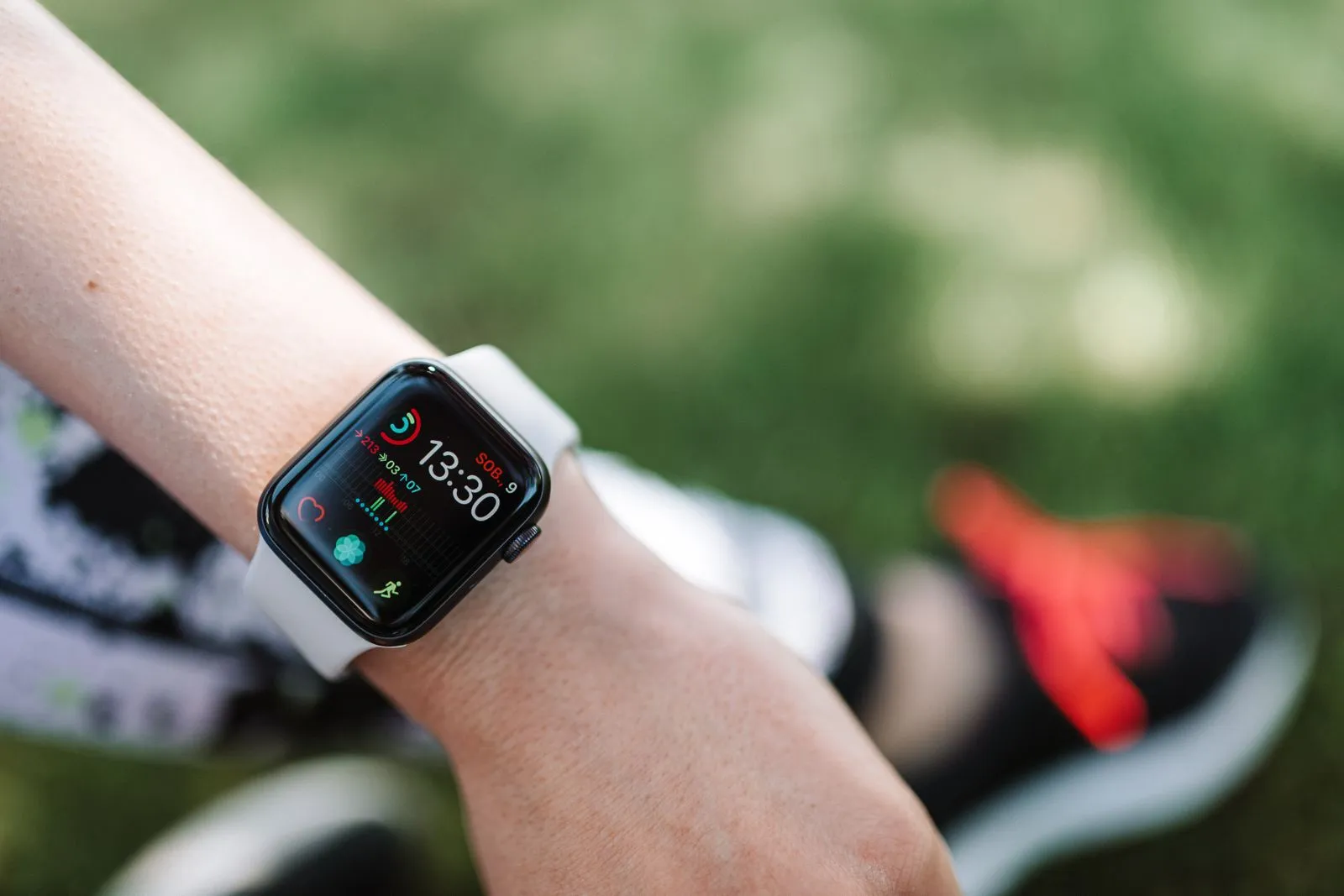
Smartwatches estimate REM sleep using movement and heart rate. They do not measure brain activity, which is how REM is identified in a clinical sleep study, so their REM figures are estimates.
Which is more accurate, a ring or a watch?
Accuracy depends on the specific device, its sensors and its algorithm more than the form factor. Look for published validation studies for the specific model.
Why does my tracker show very little deep or REM sleep?
It may reflect a short night, disrupted sleep, alcohol or stress. It may also be measurement error. Look at the trend over several weeks and how you feel before drawing conclusions.
Should I worry if my REM sleep score is low?
A single low reading is not cause for concern. If you consistently feel unrefreshed or very sleepy during the day, talk to a doctor regardless of what your tracker says.
Can a sleep tracker diagnose sleep apnea?
No consumer tracker replaces a medical diagnosis. Some may flag possible breathing issues, which is a reason to speak with a doctor about proper testing.
Is it bad to wear a tracker every night?
Not for most people. If tracking makes you anxious about sleep, take a break or check data less often.
Affiliate Disclosure: This article may contain affiliate links. We may earn a commission on purchases made through our links at no extra cost to you. Affiliate relationships do not influence our editorial assessments. Read our full disclosure policy.
Get More REM Sleep Editorial Team
Independent researchers covering the science of sleep quality. All content is reviewed against peer-reviewed research and updated quarterly.