During REM sleep, your brain is busy dreaming while most of your voluntary muscles are temporarily switched off. That built-in pause keeps you still while your mind runs through vivid stories. In REM sleep behavior disorder, often shortened to RBD, that pause does not work properly. People may talk, shout, punch, kick or even jump out of bed while acting out their dreams.
This guide explains what RBD is, how it differs from other things that happen at night, why doctors take it seriously, and practical safety steps. It is educational information only. If you think you or your partner might have RBD, please see a doctor or a sleep specialist.

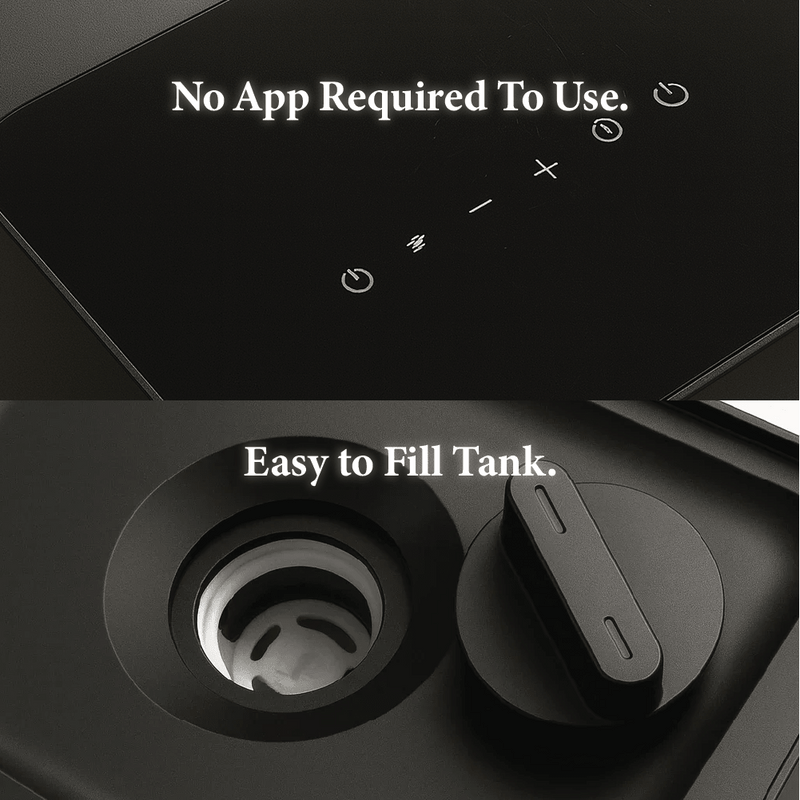
Good Sleep cooling and heating mattress topper
A water-based mattress topper that cools to 62°F and heats to 110°F and fits on top of the mattress you already have. Simple touch-panel control with no app, Wi-Fi or subscription. Dual zone on King.
Shop nowWhat normally happens during REM sleep
REM sleep is the stage most associated with vivid dreaming. Brain activity during REM is high, but the brainstem sends signals that relax most of the body’s voluntary muscles, a state called REM atonia. Your breathing muscles and eye muscles keep working, which is why your eyes move rapidly. Everything else stays mostly still.
For a full overview of the stage, see what REM sleep is and REM sleep and dreams.
What happens in REM sleep behavior disorder
In RBD, the muscle relaxation of REM is incomplete or absent. The person’s body can move along with the dream. Because dreams in RBD are often described as action-filled or defensive, such as being chased or fighting off an attacker, the movements can be forceful.
Common signs include:
- Talking, shouting, laughing or swearing during sleep
- Punching, kicking, grabbing or flailing
- Falling or jumping out of bed
- Injuring oneself or a bed partner
- Waking up and recalling a dream that matches the movements
Episodes tend to happen in the second half of the night, when REM periods are longer. People with RBD can usually be woken fairly easily from an episode and often describe the dream clearly.
How RBD differs from other night-time behaviors
Several other conditions involve movement or noise during sleep. They are different from RBD, and the differences matter for diagnosis.
| REM sleep behavior disorder | Sleepwalking and night terrors | Periodic limb movements | |
|---|---|---|---|
| Sleep stage | REM sleep | Deep non-REM sleep | Mostly non-REM sleep |
| Time of night | Usually later in the night | Usually first third of the night | Throughout |
| Dream recall | Often vivid recall that matches actions | Usually little or no recall | Not dream-related |
| Typical age | Most often adults over 50 | More common in children | Increases with age |
| Ease of waking | Usually wakes easily and is oriented | Hard to wake, confused | Often unaware |
Sleep talking alone, or occasional twitching, is common and usually harmless. Loud snoring with gasping or choking may point to sleep apnea, which can sometimes cause movement and arousals that mimic RBD.
Who gets RBD?
RBD is most commonly diagnosed in adults over 50, and it has historically been reported more often in men, although research suggests it may be underrecognized in women. It can also occur in younger people, where it is sometimes associated with certain medications, narcolepsy or other conditions.
Some medications, including certain antidepressants, have been associated with RBD-like symptoms. Do not stop or change any medication on your own. Talk to your prescriber if you notice new behaviors at night after starting a medication.
Why doctors take RBD seriously
There are two main reasons RBD deserves medical attention.
Safety
People with RBD can injure themselves or their bed partners. Falls from bed, bruises and cuts are reported, and more serious injuries can happen.
Links with neurological conditions
Research over the past few decades has found that isolated RBD in older adults is associated with an increased risk of developing certain neurodegenerative conditions later, particularly Parkinson’s disease, dementia with Lewy bodies and multiple system atrophy. This does not mean everyone with RBD will develop these conditions, and the timeline can be many years. It is a major reason doctors recommend proper evaluation and follow-up. A sleep specialist or neurologist can discuss what a diagnosis means for you personally.
How RBD is diagnosed
Diagnosis usually involves:
- A medical history and sleep history. A doctor will ask about the behaviors, when they happen, dream recall, medications and other health issues. Information from a bed partner is extremely helpful.
- An overnight sleep study (polysomnography). This records brain activity, eye movements, muscle activity, breathing and often video. It can show whether muscle tone is elevated during REM sleep and rule out other causes like sleep apnea or seizures.
- Further evaluation as needed, including a neurological examination.
Consumer sleep trackers cannot diagnose RBD. They estimate sleep stages from movement and heart rate and do not measure muscle tone during REM. See sleep trackers and REM sleep.
Treatment
Treatment for RBD is something to work out with a doctor. It commonly includes making the sleep environment safer and, in some cases, medication. Doctors also look for and treat any contributing factors, such as sleep apnea or medications that may be playing a role. Because RBD can be linked with other conditions over time, regular follow-up is usually recommended.
Making the bedroom safer
While you are waiting for an appointment, or alongside treatment, these steps can reduce injury risk:
- Move sharp or hard furniture, such as nightstands, away from the bed.
- Remove items that could break, like glasses, lamps or framed pictures near the bed.
- Pad the floor beside the bed with a rug, mat or cushions.
- Consider lowering the bed or placing the mattress on the floor.
- Keep any firearms or potential weapons out of the bedroom and secured.
- Install bed rails or use pillows as barriers, if appropriate.
- Partners may choose to sleep in a separate bed temporarily for safety.
Supporting healthy REM sleep in general
General sleep habits do not treat RBD, but they support overall sleep health:
- Keep a regular sleep schedule.
- Avoid alcohol close to bedtime. Alcohol disrupts REM and sleep overall. See alcohol and REM sleep.
- Prioritize enough sleep, since sleep deprivation can make many sleep problems worse.
- Keep the bedroom cool, dark and quiet. See sleep environment.
- Manage stress before bed. See stress and REM sleep.
How to talk to your doctor
It can feel awkward to describe night-time behaviors. These tips can make the appointment more productive:
- Bring your bed partner, or ask them to write down what they have seen.
- Record a short video of an episode if it is safe to do so.
- Note how often episodes happen and roughly what time of night.
- List all medications and supplements, including when you started them.
- Mention any other symptoms, such as loss of sense of smell, constipation, changes in movement or memory, or daytime sleepiness. These can help a doctor see the full picture.
Living with RBD as a couple
RBD often affects bed partners as much as the person with the condition. Partners may be the first to notice the behaviors, and they may lose sleep or feel unsafe. It is worth talking openly about what is happening and agreeing on safety steps together. Some couples choose separate beds for a while, which can be a practical safety decision rather than a sign of problems in the relationship.
Partners can also help by keeping a simple log of episodes: the date, rough time, what happened and anything that might have been relevant, such as alcohol, a late night or a new medication. That log can be very useful to a sleep specialist.
What RBD is not
It is easy to worry when you read about a condition like RBD, so it is worth being clear about what does not usually point to it:
- Occasional sleep talking or mumbling
- A single episode of thrashing during a nightmare
- Normal muscle twitches as you fall asleep (often called hypnic jerks)
- Restless sleep from being too hot or uncomfortable
If you are unsure, a doctor can help you sort out what is normal and what needs testing.
Other conditions a doctor may consider
When someone moves or vocalizes during sleep, a doctor will usually consider several possibilities before settling on RBD. These can include obstructive sleep apnea, in which breathing pauses trigger arousals and movement; night-time seizures; confusional arousals or sleepwalking from deep sleep; and periodic limb movements. Some of these can occur alongside RBD. This is why an overnight sleep study with video is so valuable: it lets specialists see exactly what happens and in which stage of sleep.
A cool, comfortable bed helps you stay asleep through the second half of the night. If you still sleep hot, a water-cooled mattress topper can cool the surface you lie on rather than the whole room.
Frequently asked questions
Is acting out dreams normal?
Occasional twitches or sleep talking are common. Repeatedly acting out dreams with forceful movements such as punching or kicking is not typical and should be evaluated by a doctor.
What causes REM sleep behavior disorder?
RBD happens when the normal muscle relaxation of REM sleep does not work properly. It can be linked with age, certain neurological conditions, narcolepsy and some medications. A doctor can help identify contributing factors.
Can a sleep tracker detect RBD?
No. Consumer trackers do not measure the muscle activity during REM sleep needed to diagnose RBD. An overnight sleep study is the standard test.
Does RBD mean I will get Parkinson’s disease?
Not necessarily. Isolated RBD is associated with a higher risk of certain neurological conditions over time, but it does not mean they are certain. A specialist can explain your individual situation and recommend follow-up.
How is RBD different from sleepwalking?
Sleepwalking usually happens during deep non-REM sleep early in the night, often with little memory afterward. RBD happens during REM sleep, usually later in the night, and people often recall a dream that matches their movements.
Can stress cause REM sleep behavior disorder?
Stress can make sleep more disrupted and dreams more intense, but it is not considered a primary cause of RBD. If you are acting out dreams, talk to a doctor rather than assuming it is stress.
Affiliate Disclosure: This article may contain affiliate links. We may earn a commission on purchases made through our links at no extra cost to you. Affiliate relationships do not influence our editorial assessments. Read our full disclosure policy.
Get More REM Sleep Editorial Team
Independent researchers covering the science of sleep quality. All content is reviewed against peer-reviewed research and updated quarterly.