Have you ever had a few short nights in a row, finally caught up on sleep, and then spent the whole night in vivid, cinematic dreams? That experience has a name: REM rebound. It is your brain catching up on REM sleep it missed. It is usually harmless, but it tells you something useful about how sleep works and how much your brain values REM.
This guide explains what REM rebound is, what causes it, how long it tends to last, and how to get back to steady, healthy sleep. It is general information rather than medical advice.

Good Sleep cooling and heating mattress topper
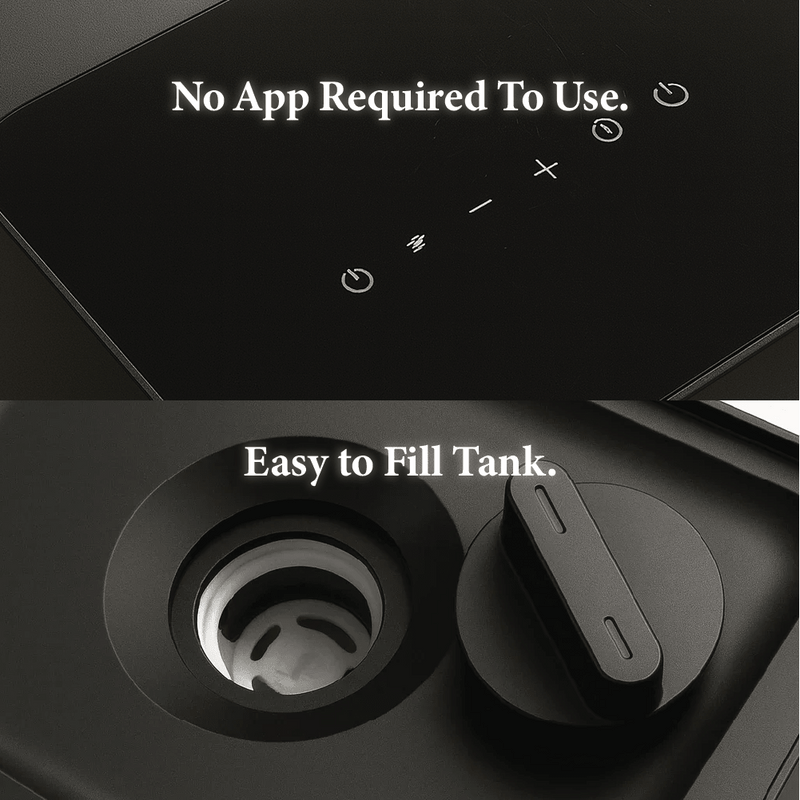
A water-based mattress topper that cools to 62°F and heats to 110°F and fits on top of the mattress you already have. Simple touch-panel control with no app, Wi-Fi or subscription. Dual zone on King.
Shop nowWhat REM rebound is
REM rebound is an increase in REM sleep after a period when you got less of it than usual. When REM is restricted, sleep researchers have long observed that the brain tends to compensate when it gets the chance. REM can appear sooner after you fall asleep, REM periods can be longer, and the REM that happens can be more intense.
Because REM sleep is when most vivid dreaming occurs, the most noticeable sign of REM rebound for most people is a burst of unusually strong, memorable or strange dreams. You can read more about that link in REM sleep and dreams.
Why the brain “catches up”
Sleep is regulated by two main systems. One is your circadian rhythm, the internal clock that times sleep and wakefulness across the 24-hour day. The other is sleep pressure, a drive that builds the longer you are awake. Both deep sleep and REM sleep appear to be regulated in a way that responds to what you have lost.
After sleep deprivation, the recovery night typically prioritizes deep sleep first. REM sleep often catches up on the same night or the nights that follow. That is why some people notice their most intense dreams on the second or third night of recovery rather than the first.
Common causes of REM rebound
Short or broken sleep
The most common cause is simply not sleeping enough. Since REM sleep is concentrated in the second half of the night, waking early or going to bed very late tends to cut REM first. Learn more about the stage pattern in deep sleep vs REM sleep.
Cutting back on alcohol
Alcohol suppresses REM sleep, particularly in the first half of the night. People who drink regularly and then stop or cut back often experience a period of increased REM and very vivid dreams. This is a well-known part of alcohol withdrawal. If you drink heavily, talk to a doctor before stopping suddenly, because alcohol withdrawal can be dangerous. Our guide to alcohol and REM sleep has more.
Stopping certain medications or substances
Some medications suppress REM sleep, including several types of antidepressants. Stopping them can be followed by a temporary increase in REM and vivid dreams. Cannabis use has also been associated with reduced REM, and people who stop often report intense dreams. Never stop a prescribed medication without guidance from your prescriber.
Jet lag and shift work
Traveling across time zones or working nights disrupts the timing of sleep. When your schedule settles, REM can bounce back.
Treating a sleep disorder
People who start treatment for obstructive sleep apnea sometimes see a large increase in REM sleep early on, because their sleep had been so fragmented beforehand.
What REM rebound feels like
Typical signs include:
- Vivid, detailed or emotional dreams
- Remembering more dreams than usual
- Occasionally more nightmares or unsettling dreams
- Feeling like you slept “hard”
- Sometimes feeling groggy on waking, especially if woken from REM by an alarm
It is not something you can diagnose on your own with a wearable. Consumer trackers estimate sleep stages rather than measuring them directly, so their REM numbers should be read as rough trends. See sleep trackers and REM sleep for how to use them sensibly.
How long does REM rebound last?
It depends on what caused it. After a few short nights, rebound often settles within a few nights of good sleep. After stopping alcohol or a REM-suppressing medication, changes in sleep and dreaming can last longer. If you are unsure, or if the changes are distressing, talk to your doctor.
Is REM rebound bad for you?
For most people, a short period of REM rebound after a few rough nights is a normal sign that your brain is recovering. It is not harmful on its own. The thing to pay attention to is the cause. A pattern of chronic short sleep, regular heavy drinking, or a sleep disorder deserves attention even if the rebound itself is harmless.
Seek medical advice if you have frequent distressing nightmares, if you act out dreams physically, if you have symptoms of alcohol withdrawal, or if you remain very sleepy during the day despite getting enough sleep. Acting out dreams can be a sign of REM sleep behavior disorder.
How to get back to steady sleep
The goal is not to suppress REM rebound but to give your brain enough consistent sleep that it stops needing to catch up.
1. Protect a full sleep window
Aim for enough sleep on a regular basis. Most adults need at least seven hours per night. If you know you have built up a sleep debt, giving yourself a few nights with extra time in bed is better than trying to push through.
2. Keep your wake-up time steady
It is tempting to sleep until noon after a rough week, but large swings in wake time can make it harder to fall asleep the following night. Try to keep your wake time within about an hour of normal and use an earlier bedtime to catch up. Our sleep schedule guide explains why.
3. Go easy on alcohol
Drinking to “help” you sleep tends to trade short-term drowsiness for lighter, more broken sleep and less REM. If you are cutting back, expect a temporary period of vivid dreams and know that it typically settles.
4. Make the bedroom easy to sleep in
A cool, dark and quiet room supports longer, less interrupted sleep. If you tend to wake up hot, adjusting room temperature, bedding or your mattress setup can make a real difference. See how sleep temperature affects REM sleep and sleep environment. For an active option, Good Sleep makes a water-based topper that cools the bed surface down to 62°F, controlled from a simple touch panel.
5. Wind down and manage stress
Stress can make rebound dreams feel more unsettling. A calm, screen-light wind-down, journaling worries earlier in the evening, or breathing exercises can help. See stress and REM sleep.
6. Be patient
Rebound is temporary. If you can give yourself a week or two of steady, sufficient sleep, most people find their dreams and energy settle back to normal.
REM rebound vs REM sleep behavior disorder
It is worth separating two experiences that can sound similar. REM rebound means more REM sleep and often more vivid dreams, but your body stays still because the normal muscle relaxation of REM is working. In REM sleep behavior disorder, that relaxation does not work properly, so people may talk, shout, punch or kick while dreaming. Rebound is usually temporary and harmless. Acting out dreams is not something to wait out and should be checked by a doctor.
A simple recovery plan after a rough week
If you have had a week of short nights, here is a practical way to recover without throwing your body clock off:
- Keep your usual wake time, or allow yourself no more than about an hour extra in the morning.
- Move bedtime earlier by 30 to 60 minutes for a few nights.
- Get outside in daylight soon after waking. Morning light helps anchor your circadian rhythm.
- Skip alcohol for those recovery nights so your sleep is not fragmented.
- Keep naps short and early, ideally 20 to 30 minutes before mid-afternoon, so they do not steal sleep pressure from the night.
- Expect vivid dreams for a few nights, and treat them as a sign your brain is catching up.
Most people find that within a week of steady sleep, energy returns and dreaming settles back to normal. If it does not, or if you are consistently tired despite enough sleep, that is a good reason to book an appointment with your doctor.
How much sleep debt can you repay?
Sleep debt is the gap between the sleep you need and the sleep you actually get. Short-term debt from a few bad nights can be recovered fairly well with a few longer nights. Long-term, chronic short sleep is harder to undo with weekend lie-ins, and research suggests occasional catch-up sleep does not fully reverse the effects of regular short sleep. The most reliable approach is to prevent large debts from building up by keeping sleep consistent most nights of the week. Our guide on how much REM sleep you need explains how sleep needs vary by person.
Frequently asked questions
What causes REM rebound?
It usually follows a period of reduced REM sleep, most often from short sleep, cutting back on alcohol, stopping certain medications or a disrupted schedule.
Is REM rebound a sign of good sleep?
It is a sign that your brain is catching up after losing REM. The recovery itself is healthy. The underlying cause, like regular short sleep, is what to address.
Why are dreams so vivid during REM rebound?
REM sleep is when most vivid dreaming happens. During rebound, REM periods are often longer and more intense, so dreams can feel stronger and are more likely to be remembered.
Can REM rebound cause nightmares?
It can. Rebound can bring more emotionally intense dreams, including nightmares. If nightmares are frequent or distressing, speak with a doctor or therapist.
How long does REM rebound last after quitting alcohol?
It varies from person to person and depends on how much and how long someone drank. Sleep changes can last for weeks in some cases. If you drink heavily, get medical guidance before stopping.
Can I prevent REM rebound?
The best prevention is avoiding regular REM loss in the first place: consistent, sufficient sleep and moderation with alcohol.
Affiliate Disclosure: This article may contain affiliate links. We may earn a commission on purchases made through our links at no extra cost to you. Affiliate relationships do not influence our editorial assessments. Read our full disclosure policy.
Get More REM Sleep Editorial Team
Independent researchers covering the science of sleep quality. All content is reviewed against peer-reviewed research and updated quarterly.