A night of sleep is not one long switch-off. It is a rhythm. Through the night you move through repeating cycles, each one passing through light sleep, deep sleep and REM sleep before starting again. Understanding these cycles explains a surprising amount: why waking up at certain times feels awful, why short nights leave you emotionally frayed, and why the last hours of sleep matter so much for REM.
This guide explains what a sleep cycle is, what happens in each stage, how cycles change through the night, and how to use this knowledge without getting overly precise about it.

Good Sleep cooling and heating mattress topper
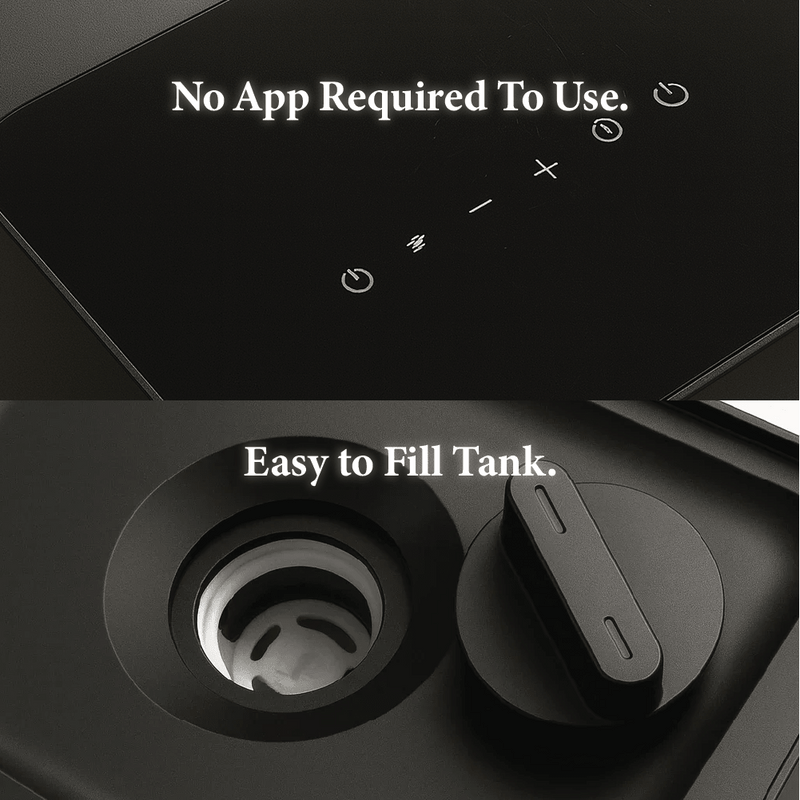
A water-based mattress topper that cools to 62°F and heats to 110°F and fits on top of the mattress you already have. Simple touch-panel control with no app, Wi-Fi or subscription. Dual zone on King.
Shop nowWhat is a sleep cycle?
A sleep cycle is one pass through the stages of sleep, from light non-REM sleep down into deep sleep and then up into REM sleep. In adults, a cycle commonly lasts somewhere around 90 minutes on average, though individual cycles can range from roughly 70 to 120 minutes. Most adults complete four to six cycles in a full night.
Brief awakenings between cycles are normal. Most of them are so short that you do not remember them in the morning.
The four stages of sleep
Sleep scientists divide sleep into non-REM sleep, which has three stages, and REM sleep.
N1: the doorway into sleep
N1 is the lightest stage, the transition from wakefulness into sleep. It usually lasts only a few minutes. Your muscles begin to relax, and you may experience the sudden muscle jerks called hypnic jerks, or a sensation of falling. It is easy to wake someone from N1, and they may not feel they were asleep at all.
N2: light but stable sleep
N2 is where adults spend the largest portion of the night, often around half of total sleep. Heart rate and breathing slow, body temperature falls, and the brain produces distinctive bursts of activity called sleep spindles and K-complexes. Researchers have linked sleep spindles with memory processing and with protecting sleep from disturbance.
N3: deep sleep
N3, also known as slow-wave sleep or deep sleep, is characterized by slow, large brain waves. It is the hardest stage to wake from, and people woken from deep sleep often feel groggy and disoriented. Deep sleep is associated with physical restoration and feeling refreshed. It is most concentrated in the first part of the night. See deep sleep vs REM sleep for more.
REM sleep
REM sleep is when most vivid dreaming happens. The brain becomes very active, the eyes move rapidly, breathing becomes irregular and most voluntary muscles are temporarily relaxed. REM is linked with emotional processing and learning. Read the full overview in what REM sleep is.
How cycles change through the night
The cycles are not identical. Their content shifts as the night goes on:
- Early cycles contain more deep sleep and relatively short REM periods. The first REM period of the night may last only a few minutes.
- Later cycles contain little or no deep sleep and much longer REM periods. The final REM periods before waking can last 30 minutes or more.
A simple way to picture it: the first half of the night is weighted toward deep sleep, and the second half is weighted toward REM sleep.
That pattern has real consequences. If you shorten your night, by staying up late or waking early, you lose REM disproportionately. If your sleep is broken in the early morning hours, for example by heat, noise, a partner or a bathroom trip, the REM-rich cycles are the ones being disrupted.
A sample night
Here is a simplified example of how a seven-and-a-half-hour night might look for a healthy adult. Real nights are messier, and no two are identical.
| Cycle | Approximate time | What dominates |
|---|---|---|
| 1 | 0 to 1.5 hours | Light sleep, then a long stretch of deep sleep, brief REM |
| 2 | 1.5 to 3 hours | Deep sleep still substantial, REM a little longer |
| 3 | 3 to 4.5 hours | Less deep sleep, moderate REM |
| 4 | 4.5 to 6 hours | Mostly light sleep and longer REM |
| 5 | 6 to 7.5 hours | Light sleep and the longest REM of the night |
Why some wake-ups feel worse than others
Waking from deep sleep often brings sleep inertia, that heavy, foggy feeling that can last a while. Waking from light sleep or REM sleep usually feels easier, though you may remember a dream.
Because deep sleep is concentrated early in the night, being woken an hour or two after falling asleep, by a crying baby or a phone call, can feel particularly rough. Toward morning, when deep sleep is scarce, waking is often easier.
Do sleep cycle calculators work?
Sleep cycle calculators suggest bedtimes or wake times in 90-minute blocks, with the idea that you will wake at the end of a cycle rather than in the middle of deep sleep. The idea is based on real sleep science, but it has limits:
- Cycle length varies between people and from cycle to cycle, so 90 minutes is only an average.
- It takes a variable amount of time to fall asleep.
- Brief awakenings and disruptions shift the timing.
A calculator can be a helpful rough guide, for example choosing 7.5 hours instead of 7 hours if you often wake groggy. But it is not precise, and getting enough total sleep matters much more than hitting an exact cycle boundary. Smart alarms that try to wake you during light sleep work on a similar principle, using movement or heart rate estimates. See sleep trackers and REM sleep.
What disrupts sleep cycles
Many common factors can interrupt or reshape your cycles:
- Alcohol tends to suppress REM sleep in the first half of the night and lead to more broken sleep later. See alcohol and REM sleep.
- Caffeine can delay sleep and reduce deep sleep. See caffeine and REM sleep.
- Stress can lead to lighter sleep and more awakenings. See stress and REM sleep.
- A warm bedroom can cause more wake-ups, particularly in the early morning REM-heavy hours. See how sleep temperature affects REM sleep.
- Irregular schedules confuse the body clock. See sleep schedule.
- Sleep disorders such as sleep apnea repeatedly interrupt sleep, often without the person realizing.
How to support healthy sleep cycles
You cannot control your cycles directly, but you can create the conditions for them to run smoothly:
- Allow enough time. Most adults need at least seven hours. That gives you enough cycles to reach the long REM periods near morning.
- Keep a regular wake time. A stable schedule helps cycles unfold predictably.
- Wind down. A calm 30 to 60 minute routine with dim light makes it easier to fall asleep and move into deeper stages. See phones, screens and REM sleep.
- Keep the bedroom cool, dark and quiet. See sleep environment.
- Limit alcohol and late caffeine.
- Get daylight and movement during the day. Both help regulate sleep timing.
Sleep cycles at different ages
Babies have shorter sleep cycles and spend much more time in REM-like active sleep. Children get a lot of deep sleep. Adults have relatively stable REM proportions, and older adults typically have less deep sleep and more awakenings. See REM sleep by age for details.
When to get help
Talk to a doctor if you regularly wake unrefreshed despite enough time in bed, snore loudly, stop breathing or gasp during sleep, are very sleepy during the day, or act out your dreams. A sleep study can look at your sleep cycles in detail and identify problems a tracker cannot.
Napping and sleep cycles
Naps follow the same stage logic as nighttime sleep. A short nap of 10 to 20 minutes usually stays in light sleep, which is why it can leave you refreshed without grogginess. A nap of 30 to 60 minutes is more likely to reach deep sleep, so waking can feel heavy. A nap of around 90 minutes may include a full cycle with some REM sleep.
Longer or later naps can reduce sleep pressure at night and make it harder to fall asleep. If you nap, keeping it short and before mid-afternoon is a sensible default.
Myths about sleep cycles
- “Everyone’s cycle is exactly 90 minutes.” It is an average. Cycles vary between people and through the night.
- “Deep sleep is the only stage that matters.” Every stage plays a role, and REM sleep is especially important for emotional processing and learning.
- “If I wake up at night, my sleep is ruined.” Brief awakenings between cycles are normal. Most people fall back asleep quickly.
A cool, comfortable bed helps you stay asleep through the second half of the night. Water-cooled toppers keep the sleep surface cool all night; if you want to try one, see how it works.
Frequently asked questions
How long is one sleep cycle?
In adults, a sleep cycle averages around 90 minutes, but individual cycles commonly range from about 70 to 120 minutes.
How many sleep cycles do I need?
Most adults go through four to six cycles in a night. Rather than counting cycles, focus on getting at least seven hours of sleep.
Why do I wake up at the same time every night?
Brief awakenings between cycles are normal. Waking at the same time can also be linked to your body clock, temperature, noise, light or needing the bathroom. If it bothers you, look at your bedroom environment and evening habits.
Is it bad to wake up in the middle of a cycle?
Waking from deep sleep can make you feel groggy for a while, but it is not harmful. Getting enough total sleep matters more than waking at the perfect moment.
When does REM sleep happen?
REM sleep closes out each cycle. The first REM period usually begins about 60 to 90 minutes after falling asleep, and REM periods get longer toward morning.
Do sleep cycle apps work?
They can give a rough estimate of when you are in lighter sleep, but they rely on indirect signals and are not precise. Use them as a convenience, not as a measure of sleep health.
Affiliate Disclosure: This article may contain affiliate links. We may earn a commission on purchases made through our links at no extra cost to you. Affiliate relationships do not influence our editorial assessments. Read our full disclosure policy.
Get More REM Sleep Editorial Team
Independent researchers covering the science of sleep quality. All content is reviewed against peer-reviewed research and updated quarterly.